Forense PM
UX/UICollaborators
Sofía Alanis. Product design student
Emiliano Hernández. Product design student
Sofía del Mar. Product design student
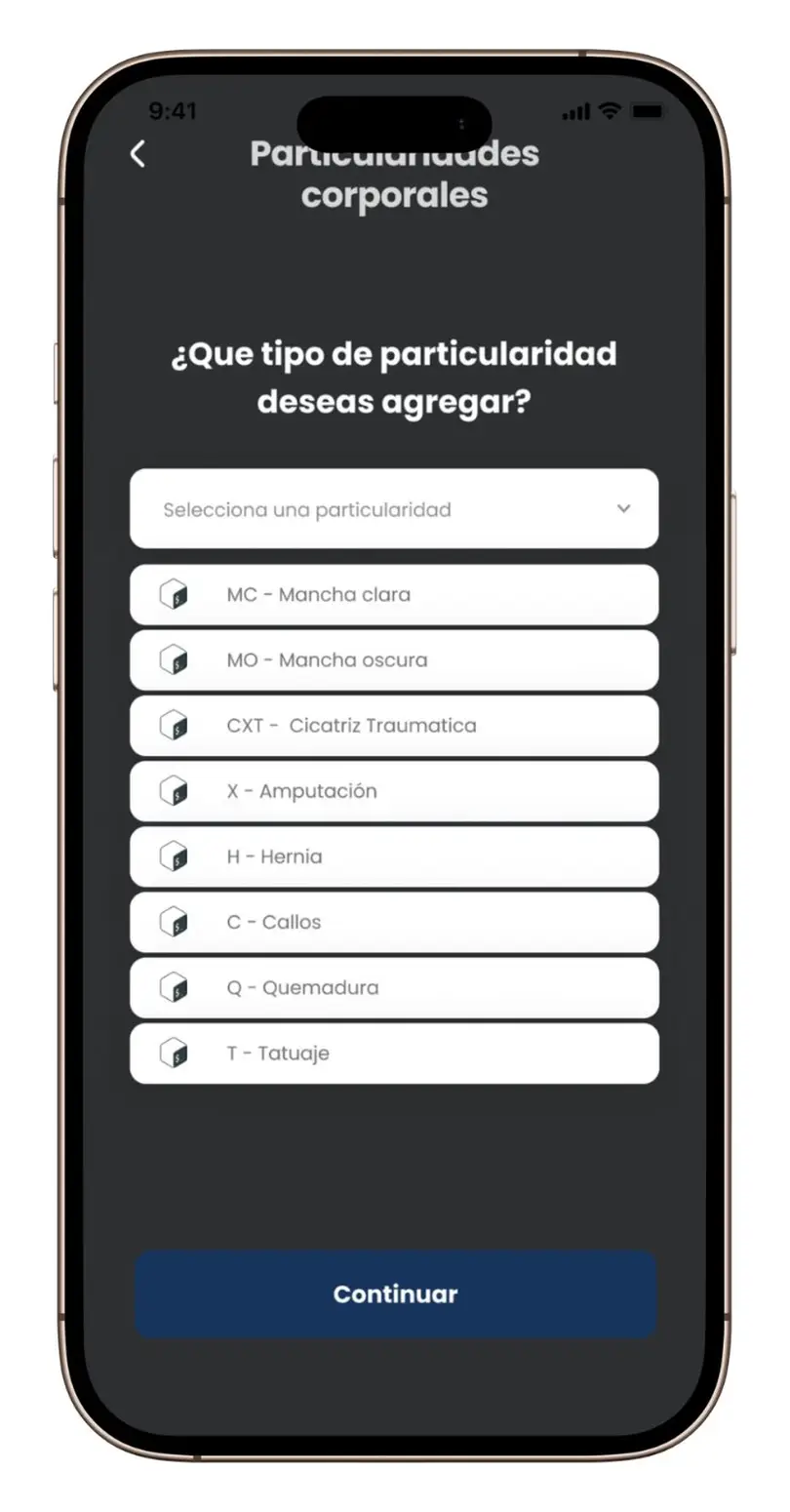
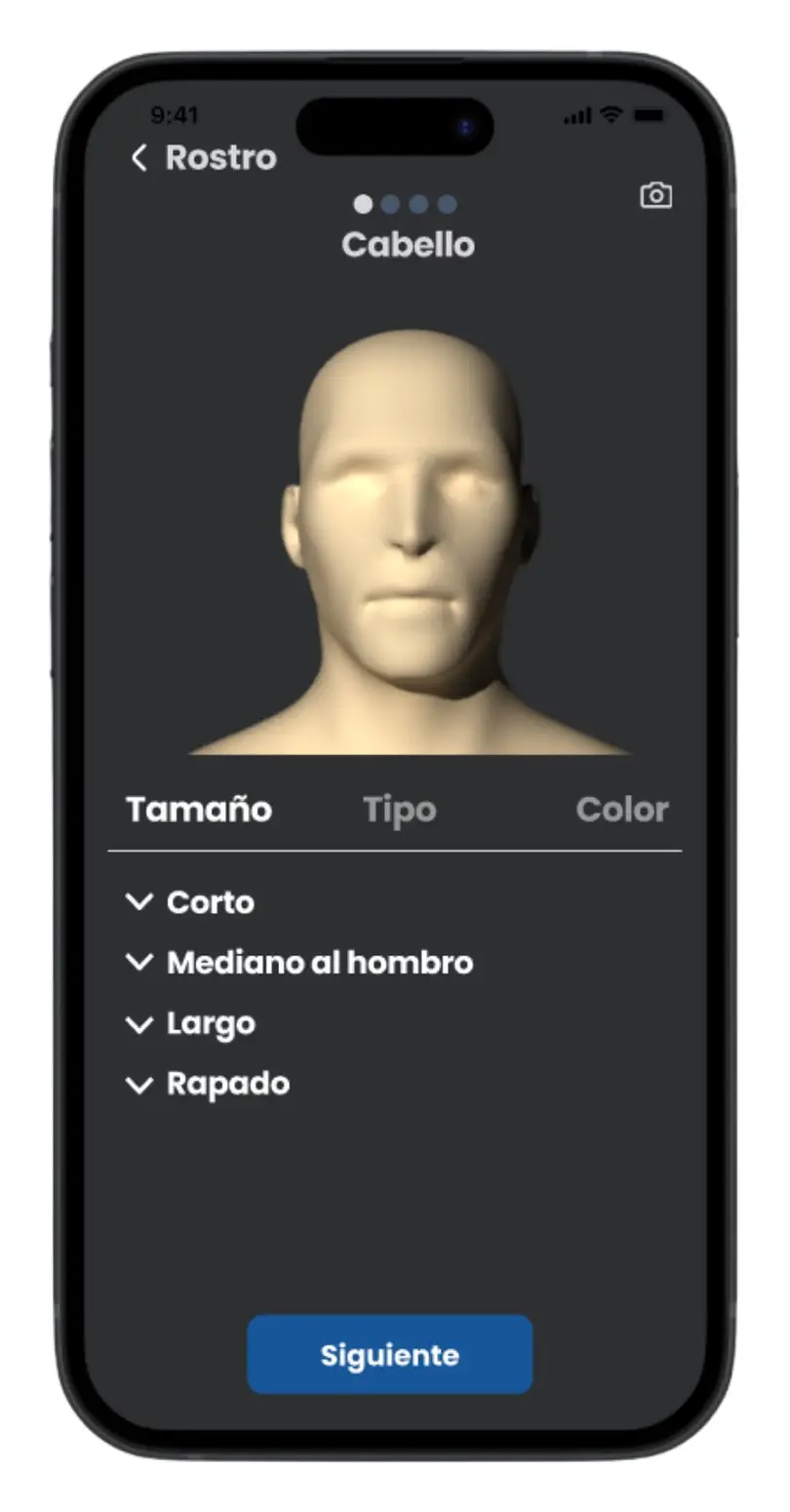
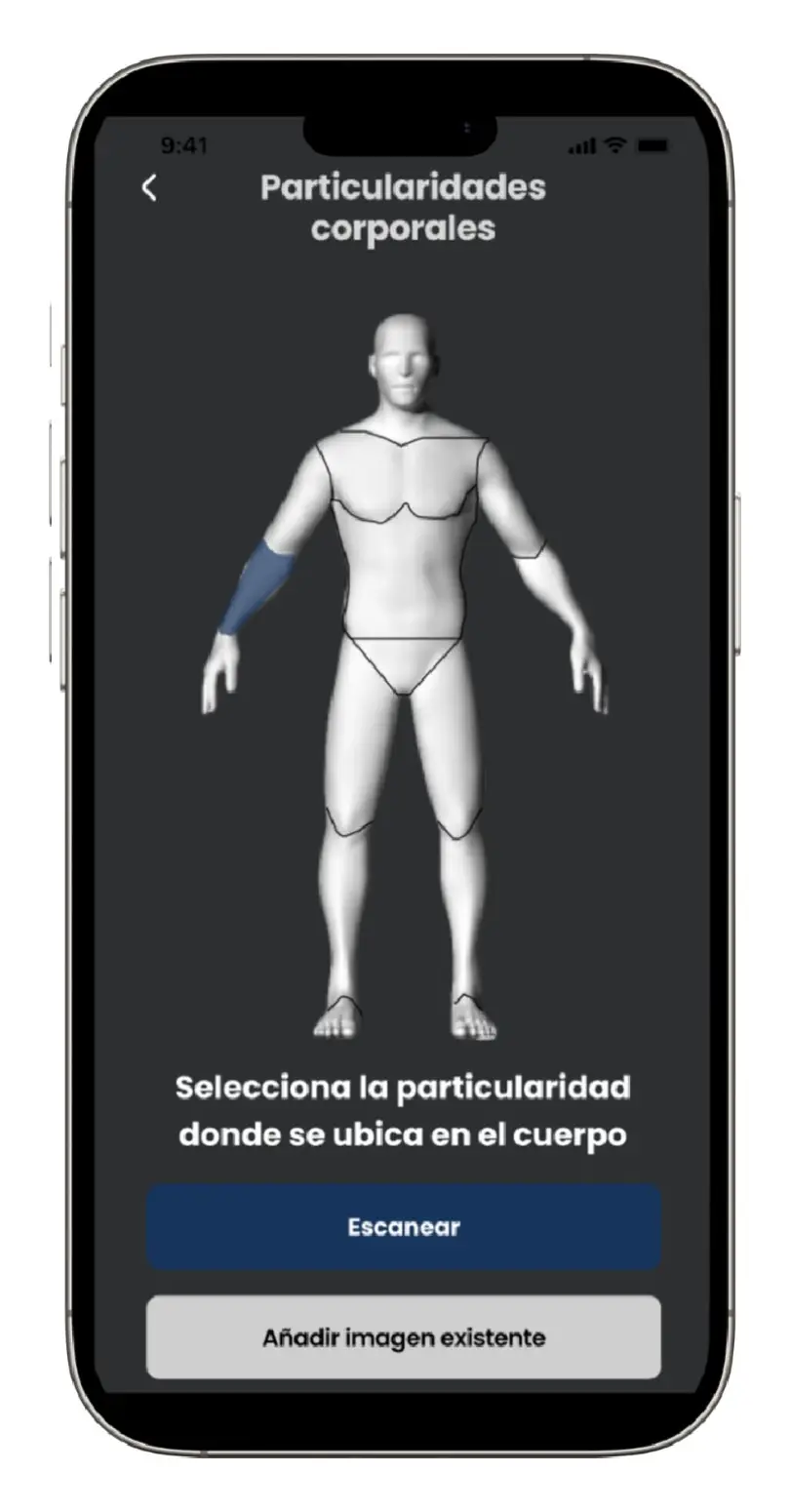
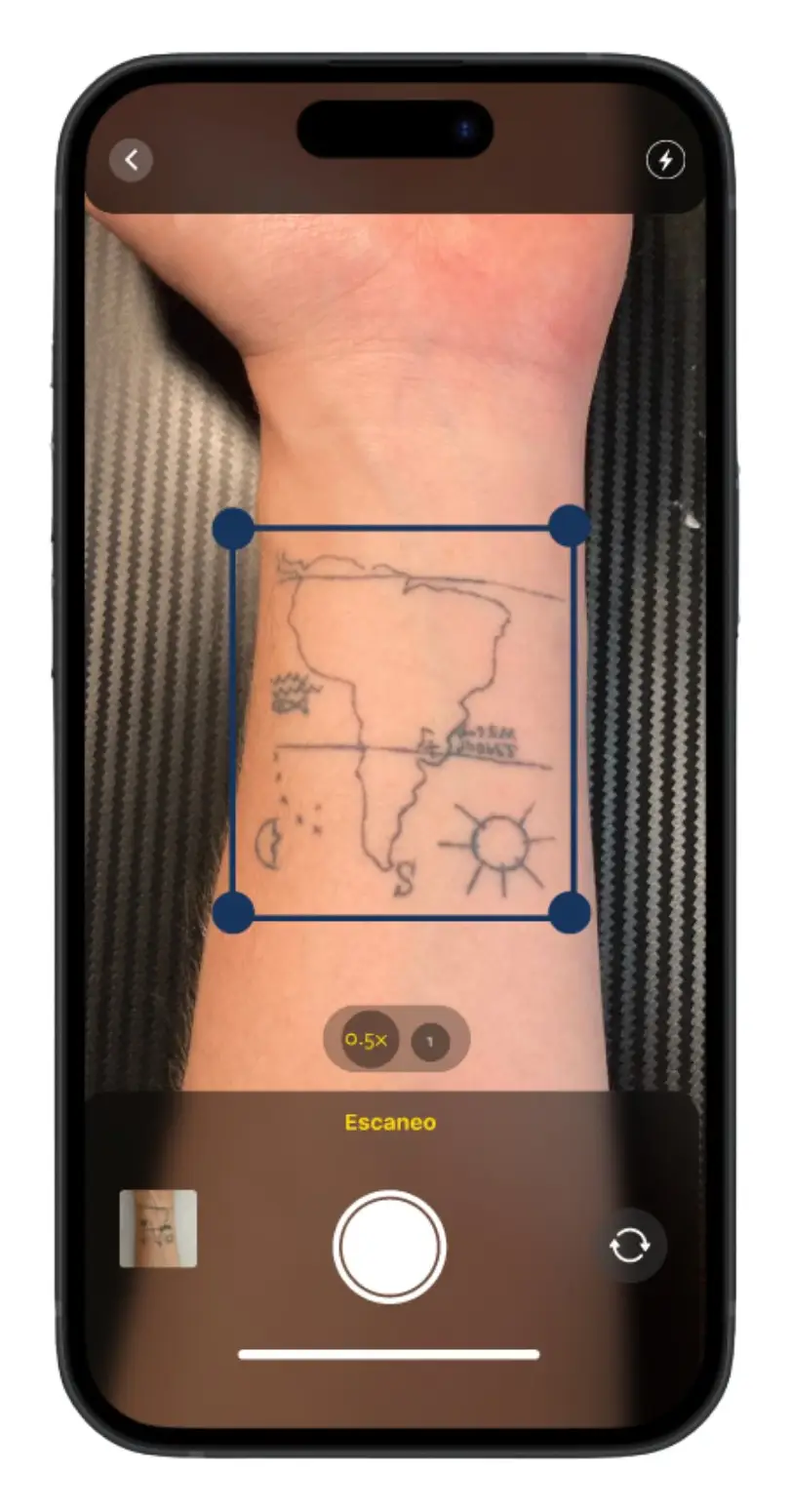
About the project
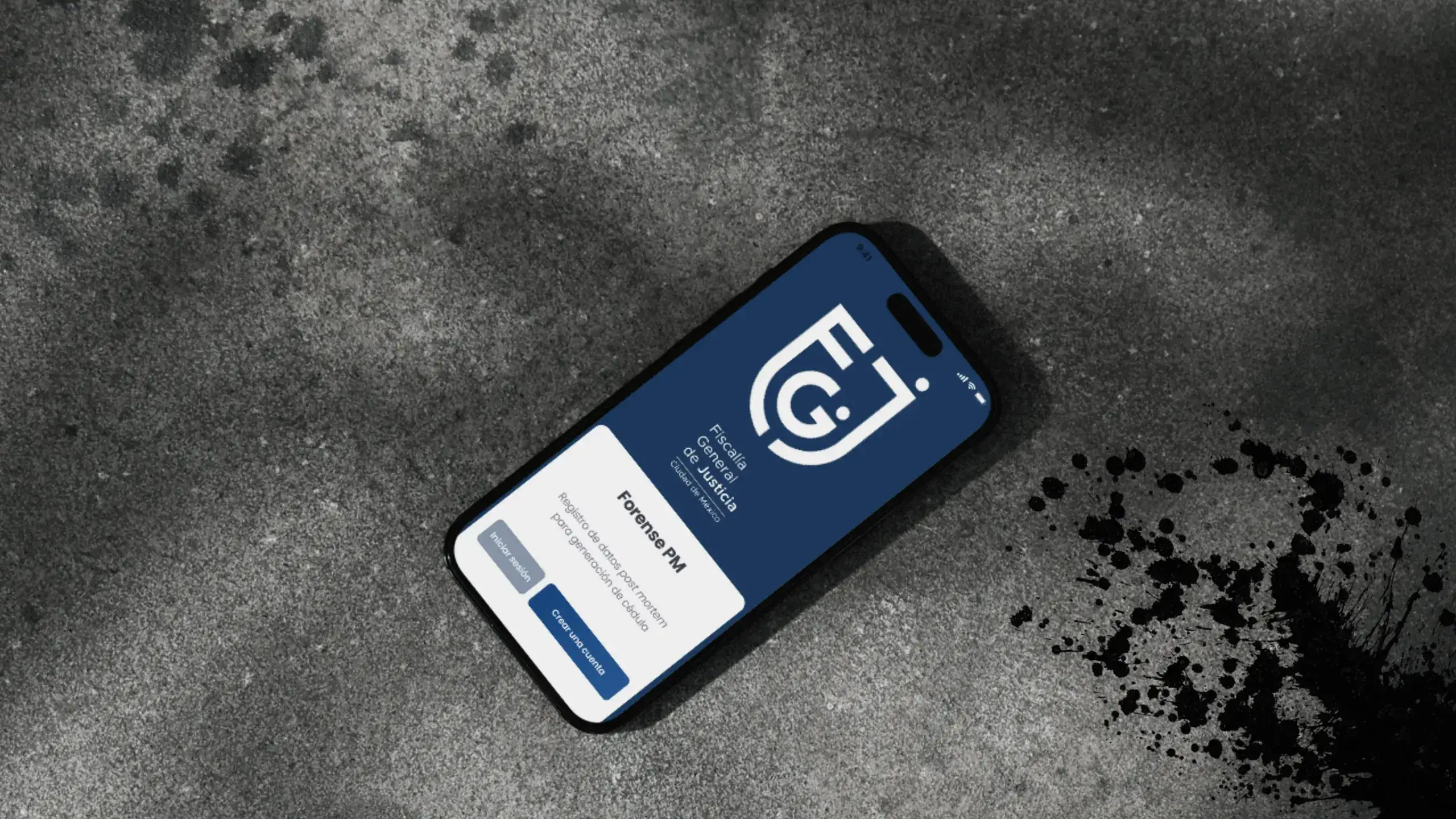
Forense PM is a specialized digital solution designed to modernize the human identification process within forensic contexts.
Developed in close collaboration with the Fiscalía General de Justicia de la Ciudad de México, this mobile application serves as a bridge between forensic anthropology and industrial design. It replaces traditional, manual recording methods with an intuitive digital interface specifically built for the rigorous demands of post-mortem (PM) documentation.
Overview
Why
The project was born from a critical need to address the inefficiencies of manual forensic recording.
Traditionally, experts must document thousands of cases by hand, later transcribing that data into digital databases. This double-handling of information is not only time-consuming but also creates a high risk of transcription and estimation errors.
In high-pressure environments, the cognitive load of managing complex morphological data—such as estimating age, sex, and stature—can lead to inconsistencies that hinder the speed and accuracy of identifying individuals.
Who and How
The development of Forense PM required a deeply interdisciplinary approach, integrating the principles of Industrial Design with the scientific rigor of Anthropology.
By mapping out the real-world workflows of forensic experts, the design process focused on creating a tool that felt like a natural extension of the laboratory environment.
The core of the solution lies in its interactive 3D visual interfaces, which allow experts to record cranial, facial, and clothing characteristics through direct visual interaction rather than abstract text descriptions.
What and When
The final application focuses on the precise registration of post-mortem data, prioritizing clarity and technical accuracy. Key features include specialized modules for recording cranial morphology and metric information necessary for biological profiling.
As the expert inputs data through the structured 3D interface, the system processes the information in real-time.
The culmination of the digital workflow is the automated generation of a standardized PDF report, ensuring that all recorded data is immediately formatted for official use without the need for manual clerical work.
Results
The result is a robust mobile experience that significantly reduces the reliance on manual transcription and subjective interpretation.
By utilizing structured visual input, Forense PM minimizes the margin of error in morphological estimation and ensures data consistency across different users. The application successfully transforms a fragmented, paper-based task into a streamlined digital process, allowing forensic professionals to spend less time on paperwork and more time on the critical analysis required for identification.
Impact
Ultimately, Forense PM demonstrates the power of experience-driven design to improve critical public justice systems. By standardizing documentation practices and reducing the time required for data entry, the project supports more efficient identification procedures.
This efficiency has a direct social impact: it helps the justice system provide faster, more reliable answers to the families of missing persons, ensuring that the dignity of the identification process is upheld through technological precision.