Levi
Product DesignCollaborators
Sofía Alanis. Product design student
Andrés Esteva. Product design student
About the project
Levi is an autonomous emergency response system designed to bridge the critical safety gap in high-altitude trail running.
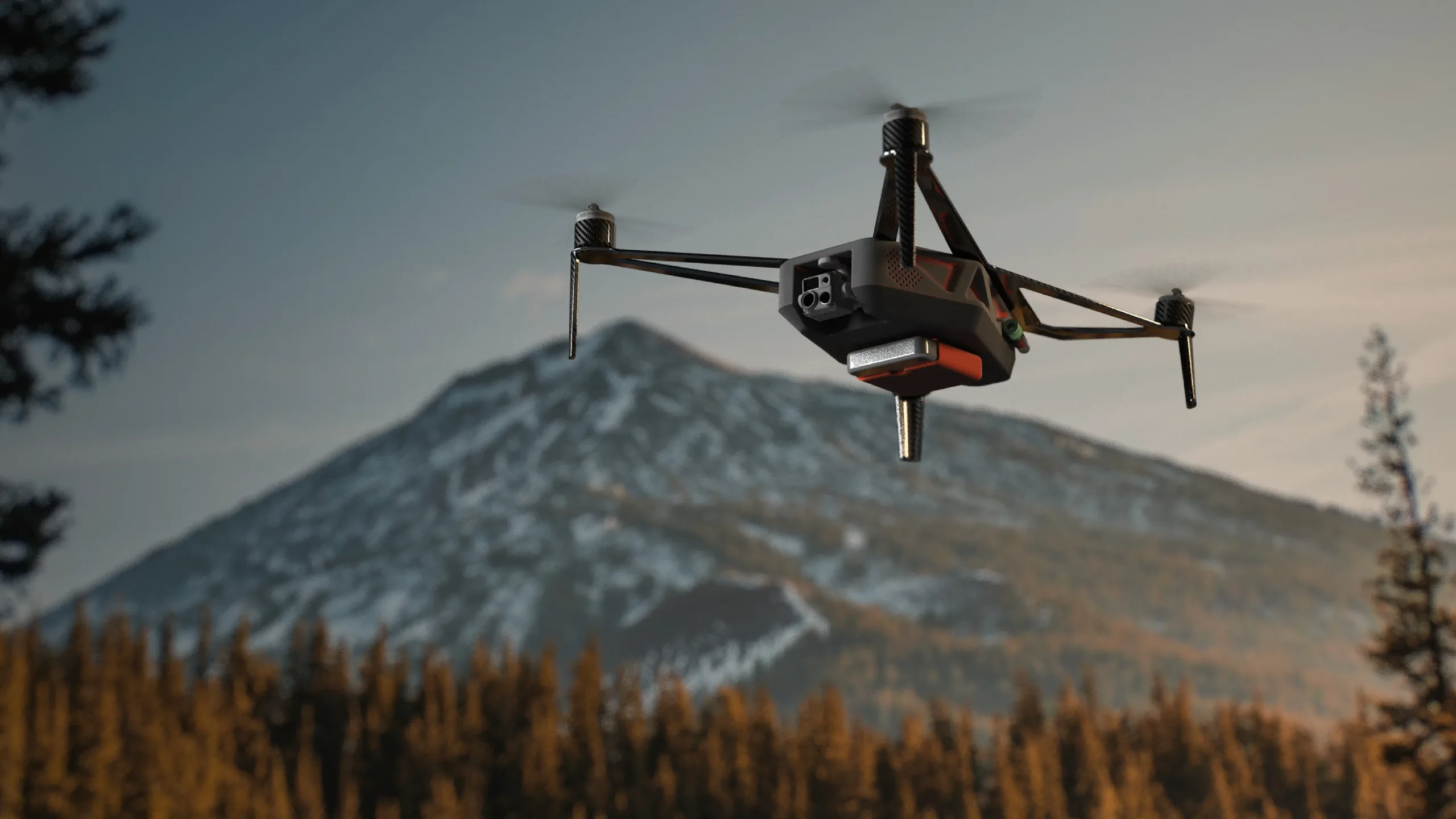
The project involves an Unmanned Aerial Vehicle that provides real-time thermal monitoring, emergency communication, and immediate first-aid delivery to athletes in remote mountain environments where traditional rescue access is limited or delayed.
Overview
Why
Trail running takes place in isolated, high-risk territories where medical assistance is often 3 to 8 kilometers away.
Currently, the "golden hour" for medical intervention is compromised by rugged terrain, causing rescue delays of 40 minutes or more. In extreme conditions, these delays lead to hypothermia, dehydration, or fatal injuries. There was a clear need for a first-responder technology that can bypass geographical barriers.
Who and How
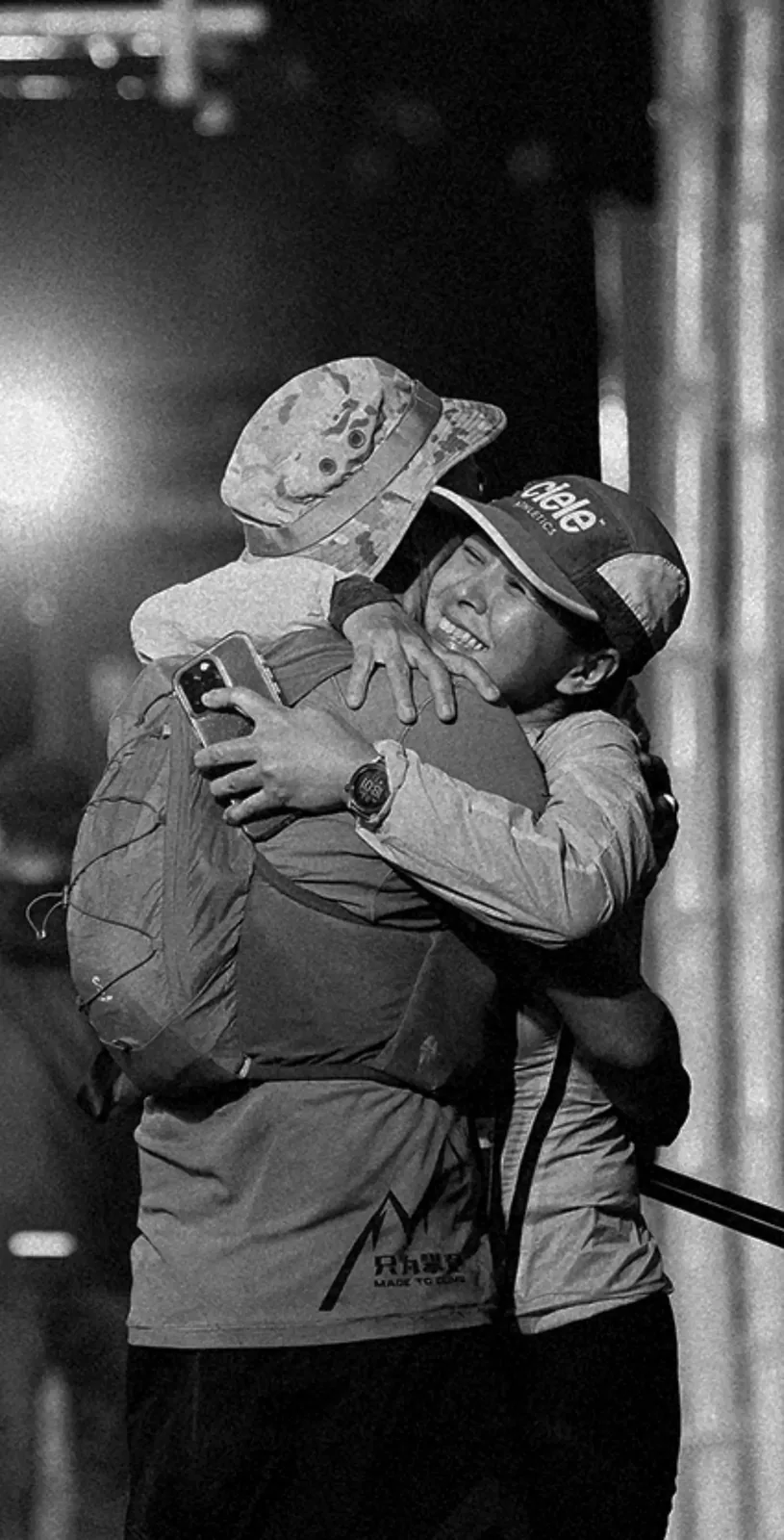
Designed for the "trail runner tribe" high-performance athletes who prioritize speed, lightness, and resilience.
The process began with deep ethnographic research and a lifestyle board analysis of the community. I performed a compositional analysis of leading brands like Salomon to ensure the product's DNA felt native to the sport.
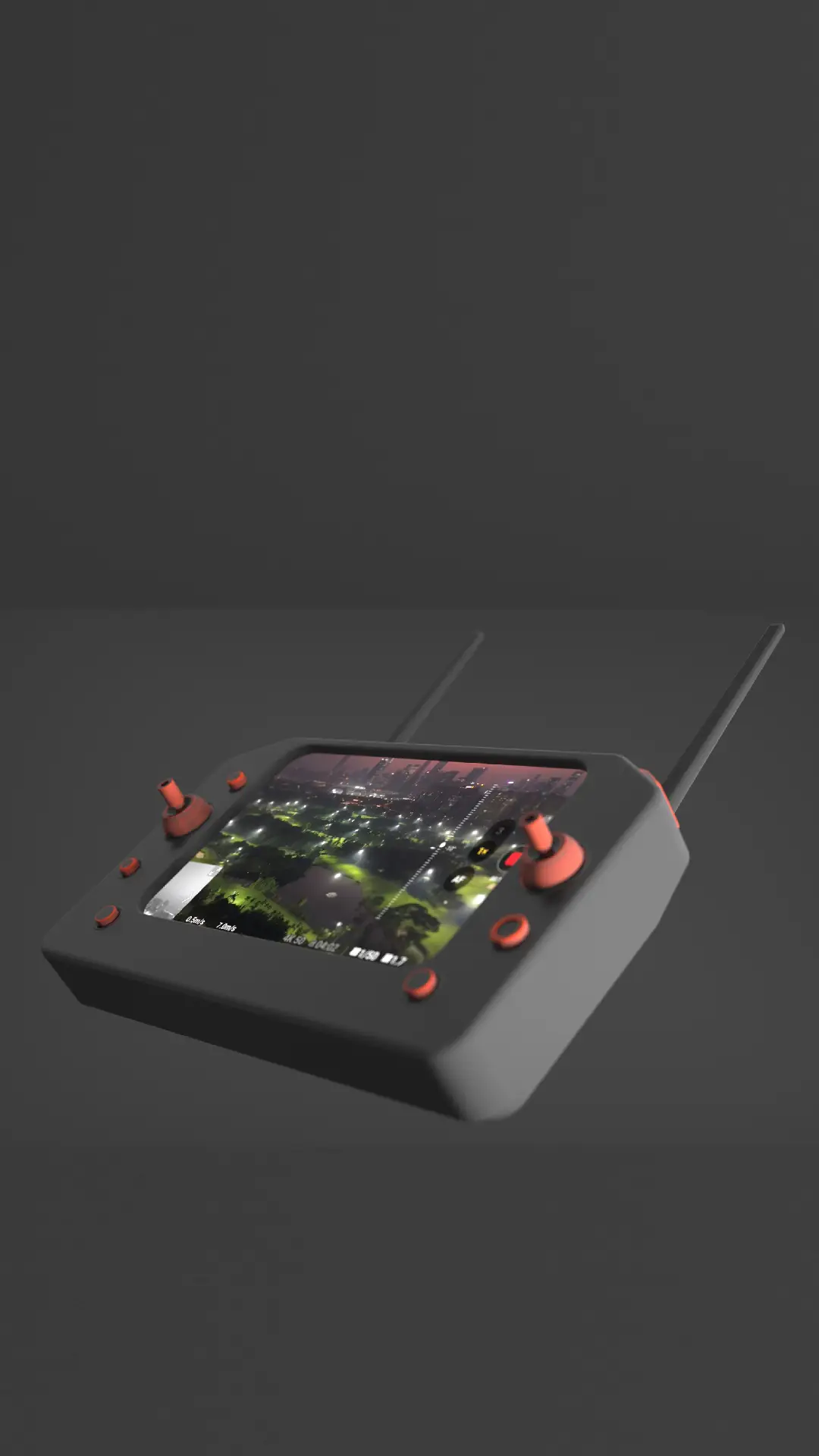
The design phase integrated aerodynamic engineering with UX/UI for the emergency communication interface, ensuring the system was intuitive for a person in a state of shock or physical distress.
What and When
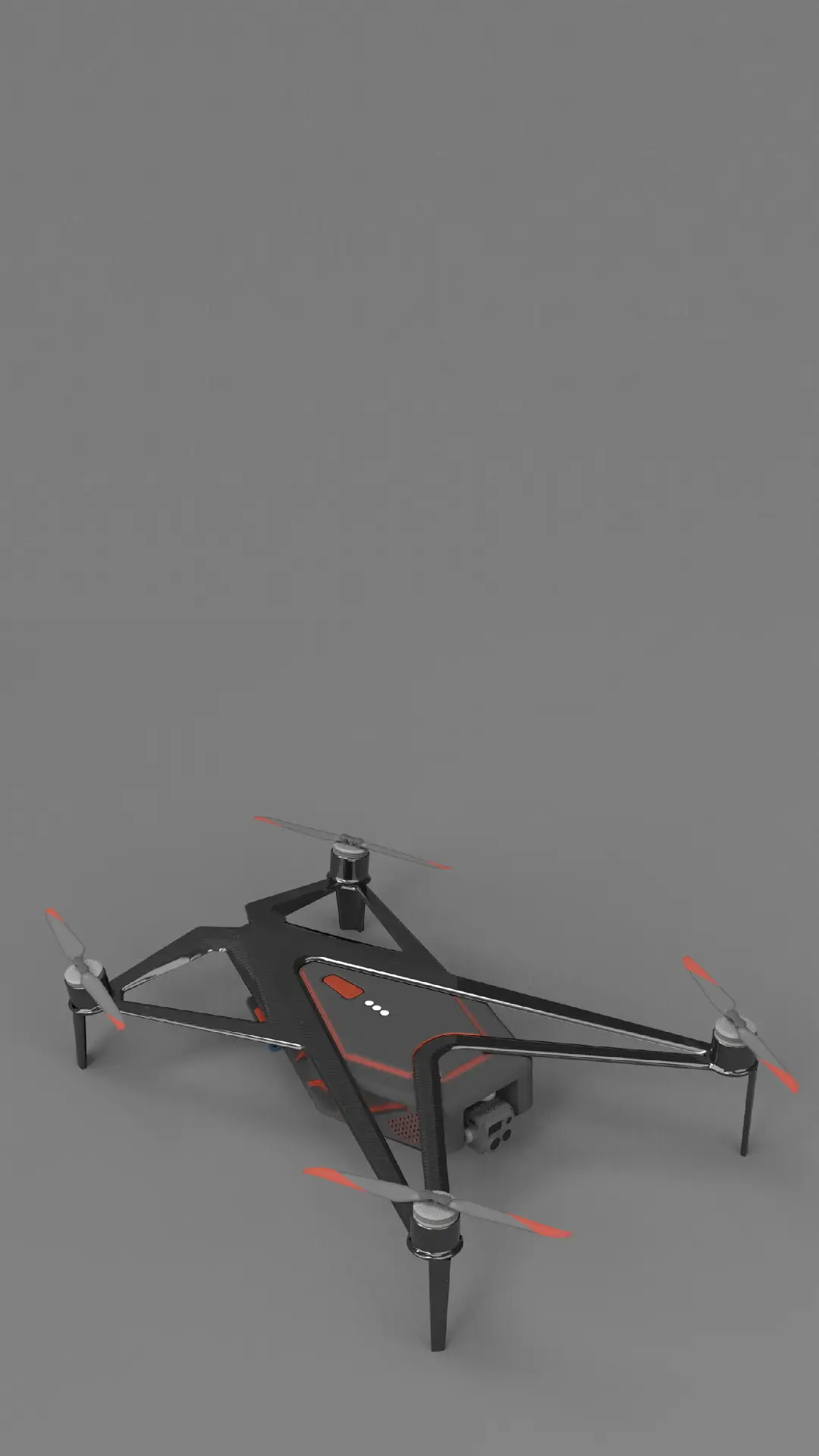
Developed in early 2024, Levi is an autonomous rescue drone system.
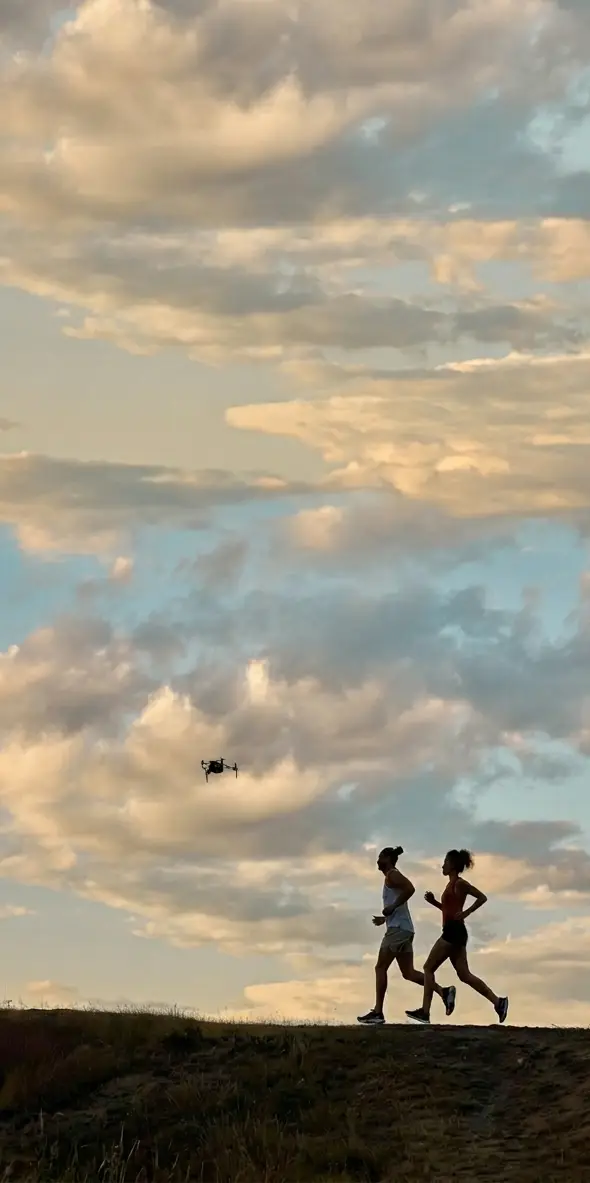
It patrols mountain circuits using thermal sensors to detect runners in distress. Once it finds someone, it drops a specialized medical kit and opens a live video and audio link so the runner can talk directly to a doctor while waiting for a physical rescue team to arrive.
Results
The final design is a high-performance aerial system that operates autonomously within designated mountain circuits to provide critical support to runners. This system utilizes continuous thermal monitoring to scan for individuals in distress, at which point it can deploy a modular aid kit containing thermal blankets, hydration, and basic trauma supplies.
Beyond physical aid, the unit facilitates a two-way audio-visual link that connects the runner directly to a remote medical team, offering vital psychological support and professional instructions until physical help can arrive on-site.
Impact
The project aligns with the United Nations' Sustainable Development Goals (SDGs) to maximize its positive impact:
- SDG 3 (Health and Well-being). By reducing accidents during sporting competitions and ensuring rapid medical attention through aerial supervision and supply delivery, it aims to increase the quality of life and confidence of athletes.
- SDG 13 (Climate Action). Using a UAV for monitoring and transport instead of motorized vehicles like motorcycles or ATVs reduces direct carbon emissions from fossil fuels.